
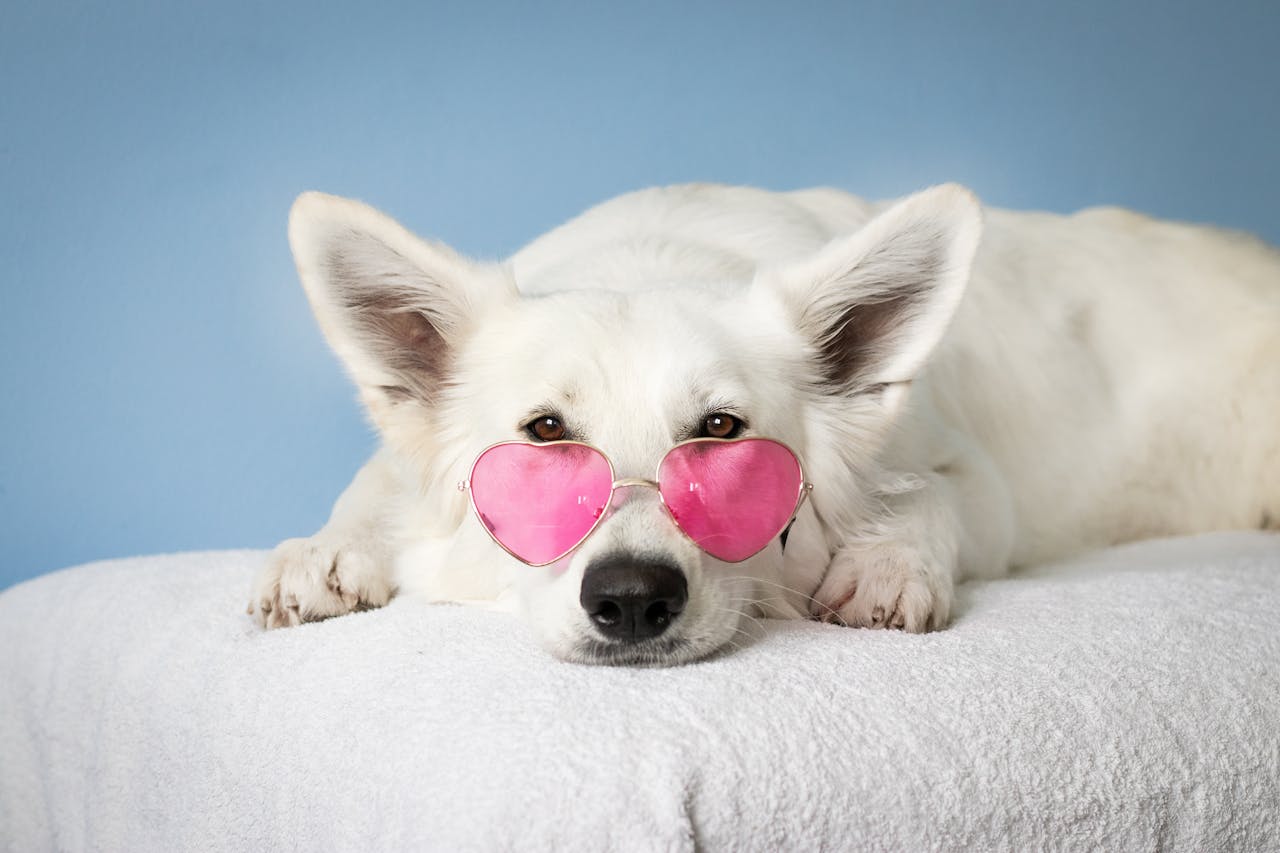
Moving to Switzerland with your dog? Switzerland is not an EU member state and operates its own pet import system through the FSVO/BLV (Federal Food Safety and Veterinary Office). This guide breaks down every step you need to take to bring your dog from New Zealand to Switzerland legally and safely.
Important: Switzerland has an absolute prohibition on importing dogs with cropped ears or docked tails. If your dog has been cosmetically modified, contact FSVO at least 3 weeks before travel.
Regulatory Framework: FSVO/BLV (Switzerland)
Switzerland is not an EU member and does not apply the EU Animal Health Law directly. Pet imports are governed by the FSVO/BLV (Federal Food Safety and Veterinary Office) under Swiss national law, following Regulation 576/2013.
Key document requirements depend on origin:
- From EU countries: EU Pet Passport is accepted
- From low-risk third countries (e.g., US, Canada, Australia): Veterinary certificate + ownership declaration
- From rabies-risk third countries: Veterinary certificate + ownership declaration + FSVO import permit
Entry into Switzerland from third countries is restricted to Basel, Geneva, or Zurich airports only (declare at red customs exit).
Step-by-Step Requirements
1. Microchip Your Dog
Your dog must have an ISO 11784/11785 compliant microchip (15-digit). The microchip must be implanted before the rabies vaccination.
Minimum age for entry: 16 weeks (stricter than the standard EU 15-week minimum).
2. Rabies Vaccination
Your dog must be vaccinated against rabies with an approved inactivated vaccine.
- Minimum age: 12 weeks old at time of vaccination
- Primary vaccination: Valid 21 days after administration
- The vaccination must be administered after microchipping and recorded against the microchip number
3. Veterinary Certificate + Ownership Declaration
Since New Zealand is a low-risk third country, you need:
- Veterinary certificate — issued by an authorized vet no more than 10 days before arrival
- Ownership declaration — signed declaration that the dog is not being imported for commercial purposes
No FSVO import permit is needed for low-risk third countries.
4. Cropped and Docked Dogs — ABSOLUTE PROHIBITION
This is critical: Switzerland has an absolute prohibition on importing dogs with cosmetically cropped ears or docked tails. This is one of the strictest bans in Europe.
- Dogs with cropped ears or docked tails will be refused entry
- This applies even if the procedure was legal in your country of origin
- Congenital short tails: If your dog has a naturally short tail (e.g., Australian Shepherd, Pembroke Welsh Corgi), contact FSVO at least 3 weeks before travel with veterinary documentation proving the tail is natural
- Common US breeds affected: Doberman Pinscher, Boxer, Great Dane, Pit Bull types, Miniature Schnauzer, Rottweiler
5. Entry Points — Switzerland
Non-EU/EEA arrivals must enter through a Border Inspection Post at one of three airports:
- Basel-Mulhouse Airport
- Geneva International Airport
- Zurich Airport
Declare your pet at the red customs exit. No other entry points are available for third-country pet imports.
6. AMICUS Database Registration
Register your dog in the AMICUS national pet database within 10 days of arrival in Switzerland.
- AMICUS has replaced the former ANIS system
- Registration is done through your local veterinarian
- You will need your dog's microchip number and vaccination records
7. Breed Restrictions in Switzerland
Switzerland has breed restrictions that vary by canton:
Varies by canton; some cantons ban Pit Bulls and similar breeds (e.g., Zurich, Valais)
Canton-level restrictions vary dramatically:
- Zurich bans 13 breeds (Pit Bull types, Bull Terriers, Staffordshire types, American Bully variants)
- Geneva, Valais, Fribourg, Ticino have separate banned/restricted lists
- 13 cantons have NO breed restrictions at all
Check with the specific canton you are moving to before traveling with a restricted breed.
Sample certificate: View a sample health certificate (PDF) to see what your vet will complete. Download your free printable checklist for this route (PDF).
Bringing a Cat or Ferret Instead? Key Differences
While this guide focuses on dogs, the EU's pet import rules under Regulation 2016/429 also cover cats and ferrets. Here's what's different if you're bringing a cat or ferret from New Zealand to Switzerland:
What's the Same
The core requirements are identical for dogs, cats, and ferrets:
- ISO-compliant microchip (implanted before rabies vaccination)
- Rabies vaccination (minimum 12 weeks old, valid 21 days after primary dose)
- Animal Health Certificate issued within 10 days of travel
- Maximum 5 pets per person for non-commercial movement
What's Different
Tapeworm treatment: Not required for Switzerland, but if you transit through Finland, Ireland, Malta, Norway, or Northern Ireland, be aware that the tapeworm treatment requirement there applies only to dogs — cats and ferrets are exempt.
Breed restrictions: DOGS ONLY. Switzerland's breed-specific legislation applies exclusively to dogs. There are no breed bans for cats or ferrets.
Cat breed welfare rules (new in 2025-2026): The EU has introduced new welfare legislation affecting extreme-bred cats. Breeds like Scottish Fold, Munchkin, and ultra-typed Persians may face restrictions in some EU countries under the new standards. If you have an exotic cat breed, check with the destination country's authorities. Wild cat hybrids (e.g., early-generation Savannah or Bengal cats) may be classified differently under CITES or national wildlife laws.
Ferrets: Generally the least restricted of the three species — no breed bans, no tapeworm treatment requirements, and identical microchip/vaccination/health certificate rules as dogs and cats.
Estimated Costs
Here's a rough breakdown of what to budget for bringing your dog from New Zealand to Switzerland:
| Item | Estimated Cost |
|---|---|
| Microchip implantation | $30-80 / CHF 30-80 |
| Rabies vaccination | $20-60 / CHF 20-60 |
| Animal Health Certificate | $100-250 / CHF 100-250 |
| Airline-approved crate | $50-400 / CHF 50-400 |
| Airline pet transport fee | $200-2,000+ / CHF 200-2,000+ |
| Pet transport company (optional) | $1,500-5,000+ / CHF 1,500-5,000+ |
Total estimated range: $500-4,000+ (depending on airline, crate size, and whether you use a pet transport company)
Timeline: How Far in Advance to Start
For dogs coming from New Zealand (EU-listed country), allow 4-8 weeks:
| Timeframe | Action |
|---|---|
| 6+ weeks before | Research airline requirements; purchase IATA-approved crate; start crate training |
| 4 weeks before | Microchip implantation (if not done); rabies vaccination (21-day validity period) |
| 10 days before travel | Obtain Animal Health Certificate from authorized vet |
| 1-5 days before arrival | Final health check |
| Travel day | Bring all original documents; arrive early for airline check-in |
Flying Your Dog to Switzerland
Cabin vs. Cargo
Most airlines allow small dogs (under 8kg including carrier) in the cabin. Larger dogs must fly as manifest cargo or checked baggage depending on the airline. Popular airlines for pet-friendly travel to Switzerland include Lufthansa, KLM, Air France, and Turkish Airlines — each with their own size limits and booking procedures.
IATA Crate Requirements
If your dog flies cargo, the crate must meet IATA Live Animals Regulations (LAR):
- Large enough for your dog to stand, turn, and lie down comfortably
- Sturdy construction with ventilation on at least 3 sides
- Leak-proof bottom with absorbent bedding
- "Live Animal" stickers and "This Way Up" arrows
- Food and water dishes attached inside
- No wheels (or wheels must be removed/disabled)
Temperature Embargoes
Many airlines restrict pet transport when ground temperatures at origin, destination, or connection airports exceed 30C (85F) or drop below -5C (23F). Plan travel during temperate months if possible.
After Arrival in Switzerland
Once you land in Switzerland with your dog:
- Customs declaration: Present your documentation at the red customs exit (for non-EU arrivals) or simply cross the border with EU Pet Passport (for EU arrivals)
- AMICUS registration: Register your dog in the AMICUS database within 10 days through a local veterinarian
- Local vet: Find a local veterinarian and transfer your dog's records
- Insurance: Consider pet liability insurance (recommended)
- Canton rules: Check local breed restrictions, leash laws, and mandatory training requirements (e.g., Zurich requires a dog handler course)
- Dog tax: CHF 60-200/year depending on municipality
Useful Resources
Frequently Asked Questions
How long does it take to bring a dog from New Zealand to Switzerland?
Plan for approximately 4-8 weeks from start to travel. The 21-day rabies vaccination validity period is the main bottleneck for listed countries.
Do I need a rabies titer test to bring my dog to Switzerland?
No, dogs from New Zealand do not require a titer test for Switzerland.
Can I bring any breed of dog to Switzerland?
Switzerland has breed-specific legislation: Varies by canton; some cantons ban Pit Bulls and similar breeds (e.g., Zurich, Valais) Check with Switzerland's authorities before traveling with a restricted breed.
Do I need a pet transport company?
A pet transport company is not required, but can be extremely helpful — especially for first-time international movers or if your dog is flying as cargo. They handle crate logistics, paperwork, customs clearance, and door-to-door delivery. Expect to pay CHF 1,500-5,000+ depending on the route and services.
What happens if my paperwork is rejected at the border?
If your documentation is incomplete or incorrect, your dog may be:
- Returned to the country of origin at your expense
- Placed in quarantine until requirements are met
Important for dogs with cropped ears or docked tails: These dogs will be refused entry into Switzerland — there are no exceptions for cosmetic modifications.
What is the difference between "low rabies risk" and "EU-listed" countries?
Switzerland uses the term "low rabies risk" (rather than "EU-listed") for countries like the United States, Canada, and Australia where rabies is controlled. Dogs from these countries need a veterinary certificate and ownership declaration but do not need a FSVO import permit or titer test. Dogs from high-risk rabies countries (most of Asia, Africa, South America) need the additional FSVO import permit.
Download Your Free Checklist
Get a printable one-page PDF checklist with every requirement, document, and timeline for bringing your dog from New Zealand to Switzerland.
This guide was researched and verified as of April 2026. Pet import regulations can change — always confirm current requirements with Switzerland's official veterinary authority before traveling. TailHarbor is not a veterinary or legal authority; this guide is for informational purposes only.
Last updated: 2026-04-05 | Next scheduled review: July 2026