
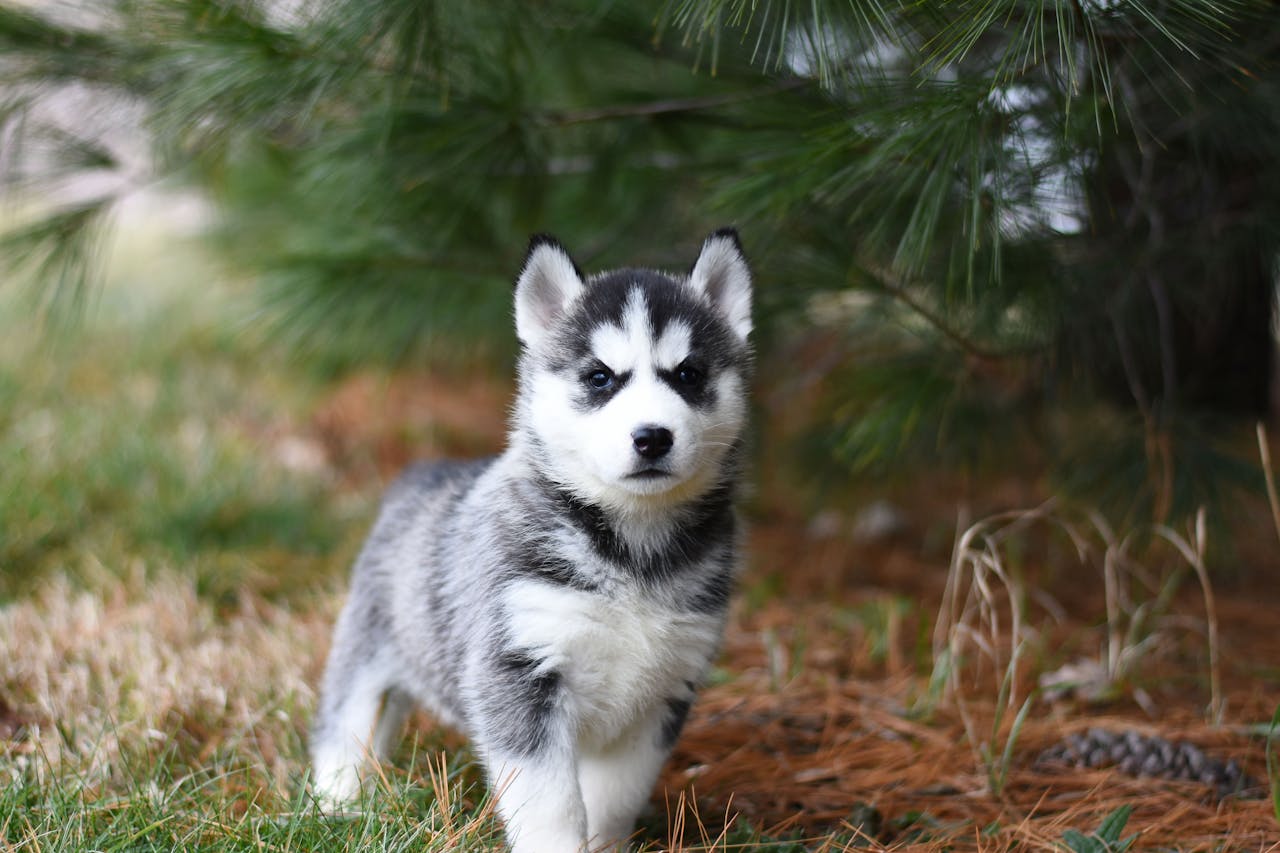
Moving to Iceland with your dog? Iceland has the MOST RESTRICTIVE pet import rules in Europe — stricter than any EU country. The process is regulated by MAST (Matvaelastofnun / Icelandic Food and Veterinary Authority), not the EU Animal Health Law. This guide breaks down every step you need to take to bring your dog from Japan to Iceland legally and safely.
Important: Iceland requires a mandatory 14-day quarantine for ALL imported dogs, a MAST import permit (apply 30+ days in advance), additional vaccinations beyond rabies, blood tests, and arrival at Keflavik Airport only on predetermined dates. Plan at least 5-7 months in advance.
Regulatory Framework: MAST (Iceland)
Iceland does not follow the EU Animal Health Law (Regulation 2016/429). Instead, pet imports are governed by MAST (Matvaelastofnun / Icelandic Food and Veterinary Authority) under Icelandic national law. Iceland has been virtually rabies-free for centuries and maintains extremely strict biosecurity measures to protect its isolated animal population.
Key differences from EU rules:
- Import permit is mandatory (not optional)
- 14-day quarantine is mandatory for all dogs — no exceptions
- Additional vaccinations beyond rabies are required
- Blood tests for specific diseases are mandatory
- Arrival is restricted to Keflavik Airport on predetermined dates
- Pregnant or lactating animals cannot be imported
Step-by-Step Requirements
1. Obtain Import Permit from MAST
An import permit from MAST (Matvaelastofnun) is mandatory before importing any dog to Iceland.
- Apply at least 30 days in advance (recommended: 2-3 months)
- Cost: Approximately 39,633 ISK (~$290 USD)
- The permit specifies your quarantine intake date and station assignment
- Application forms available on the MAST website (in Icelandic; English assistance available)
- Pregnant or lactating animals cannot be imported — your permit will be denied
2. Microchip Your Dog
Your dog must have an ISO 11784/11785 compliant microchip (15-digit). The microchip must be implanted before the rabies vaccination.
3. Rabies Vaccination
Your dog must be vaccinated against rabies with an approved inactivated vaccine (e.g., Nobivac Rabies, Imrab, Rabisin).
- Minimum age: 12 weeks old at time of vaccination
- Primary vaccination: Valid 21 days after administration
- The vaccination must be administered after microchipping and recorded against the microchip number
4. Rabies Antibody Titer Test (FAVN Test)
A rabies antibody titer test is ALWAYS required for Iceland, regardless of your country of origin. This is different from EU rules where listed countries are exempt.
- When: Blood sample taken minimum 30 days after the rabies vaccination
- Where: Must be processed at an EU-approved laboratory
- Required result: Minimum 0.5 IU/ml antibody level
- Waiting period: Your dog cannot enter Iceland until 90 days (3 months) after the blood draw date
- Validity: Valid for the lifetime of the pet if rabies vaccinations are kept current
5. Additional Mandatory Vaccinations
Iceland requires vaccinations beyond rabies that most other European countries do not:
- Leptospirosis — must be current
- Canine distemper — must be current
- Infectious canine hepatitis (ICH / Adenovirus) — must be current
- Parvovirus — must be current
- Parainfluenza — must be current
All vaccinations must be documented by a licensed veterinarian and recorded against the microchip number.
6. Blood Tests
Iceland requires blood tests for specific diseases:
- Brucella canis — serological test
- Leishmania — serological test
- Angiostrongylus vasorum — serological test
These tests must be performed by an approved laboratory and results included with your import documentation.
7. Parasite Treatment (Two Rounds)
Iceland requires two separate rounds of parasite treatment:
- First treatment: 28-21 days before departure
- Second treatment: 10-5 days before departure
Both treatments must be administered by a licensed veterinarian and documented with exact dates and times.
8. Health Certificate
Your dog needs an official health certificate submitted to MAST at least 5 days before arrival in Iceland.
- Must be issued by an authorized (government-accredited) veterinarian
- Must include all vaccination records, titer test results, blood test results, and parasite treatment documentation
- MAST must review and approve the certificate before your dog can travel
Sample certificate: View a sample health certificate (PDF) to see what your vet will complete. Download your free printable checklist for this route (PDF).
9. Mandatory 14-Day Quarantine
All dogs imported to Iceland must undergo a mandatory 14-day quarantine — there are no exceptions.
- Location: Mosel or Reykjanesbaer quarantine stations (assigned by MAST)
- Cost: Approximately 220,000 ISK (~$1,600 USD)
- You can visit your dog during quarantine, but cannot take the dog home until the full 14 days are complete
- If any health issues are discovered during quarantine, the period may be extended
10. Breed Restrictions in Iceland
Iceland has extensive breed bans — more than 10 breeds are prohibited:
Banned: Pit Bull Terrier, American Staffordshire Terrier, Staffordshire Bull Terrier, American Bulldog, Fila Brasileiro, Tosa Inu, Dogo Argentino, Cane Corso, Presa Canario, Boerboel, wolf-dog hybrids (within 10 generations), and breeds with comparable physique/temperament.
Wolf-dog hybrids are banned if the wolf lineage is within 10 generations. If your dog is a banned breed, it cannot be imported into Iceland under any circumstances. Dogs resembling banned breeds may be subject to phenotype assessment.
Bringing a Cat or Ferret Instead? Key Differences
While this guide focuses on dogs, Iceland's MAST import rules also cover cats. Here's what's different:
What's the Same
- ISO-compliant microchip (implanted before rabies vaccination)
- Rabies vaccination (minimum 12 weeks old, valid 21 days after primary dose)
- Import permit from MAST (mandatory)
- Mandatory 14-day quarantine
- Rabies antibody titer test (FAVN)
What's Different
Cats have slightly different additional vaccination requirements — check with MAST for the current cat-specific vaccination list. Ferrets are generally not imported to Iceland and face the same quarantine requirements.
Estimated Costs
Here's a rough breakdown of what to budget for bringing your dog from Japan to Iceland:
| Item | Estimated Cost |
|---|---|
| MAST import permit | $290 / ISK 39,633 |
| Microchip implantation | $30-80 |
| Rabies vaccination | $20-60 |
| FAVN titer test | $150-350 |
| Additional vaccinations (5-6) | $150-300 |
| Blood tests (3) | $200-400 |
| Parasite treatments (2 rounds) | $30-80 |
| Health certificate | $100-250 |
| 14-day quarantine | $1,600 / ISK 220,000 |
| Airline-approved crate | $50-400 |
| Airline pet transport fee | $200-2,000+ |
| Pet transport company (optional) | $1,500-5,000+ |
Total estimated range: $3,500-10,000+ / ISK 480,000-1,370,000+ (the mandatory quarantine and import permit alone cost ~$1,900)
Timeline: How Far in Advance to Start
For dogs coming from Japan to Iceland, allow 5-7 months minimum:
| Timeframe | Action |
|---|---|
| 7+ months before | Research MAST requirements; begin import permit application |
| 6 months before | Microchip implantation; rabies vaccination |
| 5 months before | Blood draw for FAVN titer test (30+ days after vaccination) |
| 4 months before | Additional vaccinations (leptospirosis, distemper, hepatitis, parvovirus, parainfluenza) |
| 3 months before | Begin 90-day waiting period; arrange blood tests (Brucella, Leishmania, Angiostrongylus) |
| 28-21 days before | First parasite treatment |
| 10-5 days before | Second parasite treatment |
| 5 days before | Submit health certificate to MAST |
| Travel day | Arrive at Keflavik Airport on predetermined date (06:00-17:00 only) |
| Days 1-14 | Mandatory quarantine at Mosel or Reykjanesbaer station |
Getting Your Dog to Iceland
Arrival Restrictions
Your dog can only arrive at Keflavik Airport — no other airports or ports are permitted for pet imports. Additionally:
- Arrivals are only accepted on predetermined quarantine intake dates (approximately 3-day windows, roughly 3 weeks apart)
- Arrival must be between 06:00 and 17:00 local time
- Your MAST import permit will specify your exact arrival date
Air Transport
Most dogs flying to Iceland will travel as manifest cargo. Contact airlines with direct flights to Keflavik (e.g., Icelandair, PLAY) about their pet cargo services.
IATA Crate Requirements
If your dog flies cargo, the crate must meet IATA Live Animals Regulations (LAR):
- Large enough for your dog to stand, turn, and lie down comfortably
- Sturdy construction with ventilation on at least 3 sides
- Leak-proof bottom with absorbent bedding
- "Live Animal" stickers and "This Way Up" arrows
- Food and water dishes attached inside
- No wheels (or wheels must be removed/disabled)
Temperature Embargoes
Many airlines restrict pet transport when ground temperatures at origin, destination, or connection airports exceed 30C (85F) or drop below -5C (23F). Plan travel during temperate months if possible.
After Arrival in Iceland
Once you land in Iceland with your dog:
- Quarantine: Your dog will be transported directly to the assigned quarantine station (Mosel or Reykjanesbaer) for the mandatory 14-day quarantine period
- Quarantine visits: You can visit your dog during quarantine hours, but the dog cannot leave the facility
- Post-quarantine: After 14 days with a clean bill of health, your dog is released to you
- Registration: Register your dog with the relevant municipal authority
- Local vet: Find a local veterinarian for ongoing care
- 6-month residency: Your dog must have been resident with you for at least 6 months before the import application
Useful Resources
Frequently Asked Questions
How long does it take to bring a dog from Japan to Iceland?
The process takes 5-7 months minimum due to the mandatory MAST import permit (30+ days), rabies titer test with 90-day waiting period, additional vaccinations, blood tests, and the 14-day mandatory quarantine. Iceland has the most restrictive pet import timeline in Europe.
Do I need a rabies titer test to bring my dog to Iceland?
Yes. A FAVN rabies titer test is always required for Iceland, regardless of which country your dog is coming from. This is different from EU rules where listed countries are exempt. The test requires a minimum result of 0.5 IU/ml with a 90-day waiting period after blood draw.
Can I bring any breed of dog to Iceland?
Iceland has breed-specific legislation: Banned: Pit Bull Terrier, American Staffordshire Terrier, Staffordshire Bull Terrier, American Bulldog, Fila Brasileiro, Tosa Inu, Dogo Argentino, Can... Check with Iceland's authorities before traveling with a restricted breed.
Do I need a pet transport company?
A pet transport company is not required, but can be extremely helpful — especially for first-time international movers or if your dog is flying as cargo. They handle crate logistics, paperwork, customs clearance, and door-to-door delivery. Expect to pay EUR 1,500-5,000+ depending on the route and services.
What happens if my paperwork is rejected at the border?
If your documentation is incomplete or does not meet MAST requirements, your dog may be:
- Refused entry and returned to the country of origin at your expense
- Placed in extended quarantine (beyond the standard 14 days) until requirements are met
Iceland is extremely strict — ensure all documents are submitted to MAST for pre-approval at least 5 days before travel.
Download Your Free Checklist
Get a printable one-page PDF checklist with every requirement, document, and timeline for bringing your dog from Japan to Iceland.
This guide was researched and verified as of April 2026. Pet import regulations can change — always confirm current requirements with MAST (Matvaelastofnun) via mast.is before traveling. TailHarbor is not a veterinary or legal authority; this guide is for informational purposes only.
Last updated: 2026-04-05 | Next scheduled review: July 2026