
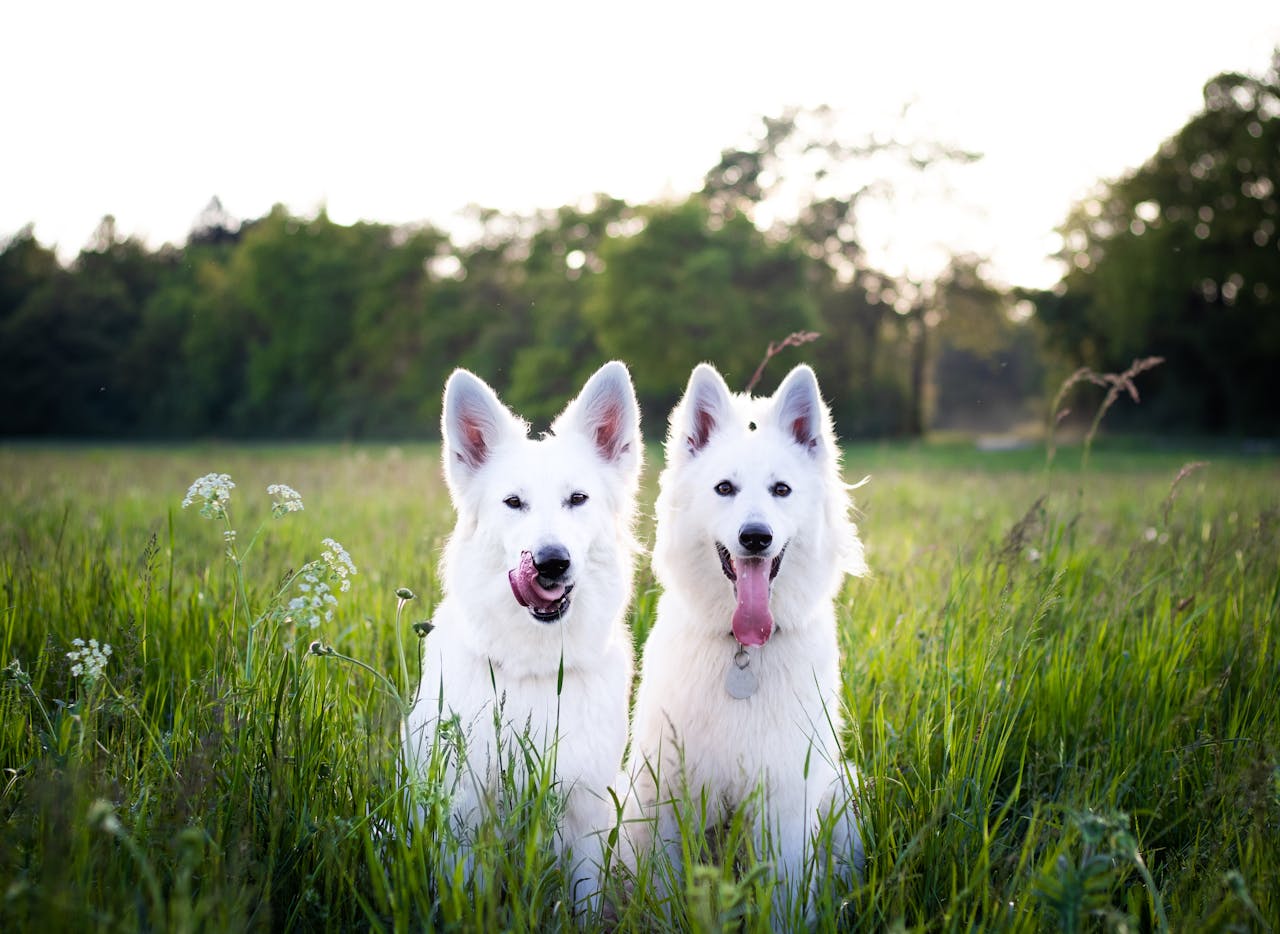
Moving to Denmark with your dog? Whether you're relocating for work, retiring abroad, or adopting a rescue, navigating the import requirements can feel overwhelming. This guide breaks down every step you need to take to bring your dog from Ireland to Denmark legally and safely — updated for the new EU Animal Health Law changes taking effect in April 2026.
Great news: Since Ireland is an EU/EEA-equivalent country, the process is relatively simple. Your dog can travel with a valid EU Pet Passport. Plan for approximately 1-2 weeks of preparation.
What Changed in April 2026
As of April 21, 2026, the EU Animal Health Law (Regulation 2016/429) Part VI is fully in effect. Key changes:
- EU Pet Passports remain valid for travel between EU/EEA countries, provided your dog's microchip and rabies vaccination are current
- New standardized Animal Health Certificate format for any movement from outside the EU
- Stricter enforcement of microchip-before-vaccination sequencing
- Tapeworm treatment window is 1-5 days (24-120 hours) before arrival (for applicable countries: Finland, Ireland, Malta, Norway)
Step-by-Step Requirements
1. Microchip Your Dog
Your dog must have an ISO 11784/11785 compliant microchip (15-digit). This is the universal standard accepted across the EU.
Critical sequencing: The microchip must be implanted before the rabies vaccination. If your dog was vaccinated before being microchipped, the vaccination will not be recognized and you'll need to start over.
If your dog already has a non-ISO microchip (common in some countries), you have two options: get a new ISO-compliant chip implanted, or bring your own compatible microchip reader when traveling.
2. Rabies Vaccination
Your dog must be vaccinated against rabies with an approved inactivated vaccine (e.g., Nobivac Rabies, Imrab, Rabisin).
- Minimum age: 12 weeks old at time of vaccination
- Primary vaccination: Valid 21 days after administration
- Booster: Must be given before the previous vaccination expires (check manufacturer guidelines — typically every 1-3 years)
- The vaccination must be administered after microchipping and recorded against the microchip number
3. EU Pet Passport
Since Ireland is an EU/EEA-equivalent country, your dog can travel with a valid EU Pet Passport issued by an authorized veterinarian. The passport must contain:
- Proof of microchip implantation (with number)
- Current rabies vaccination record
- Veterinarian details and stamp
Make sure all vaccinations are up to date before travel.
4. Breed Restrictions in Denmark
Denmark has breed-specific legislation that may affect your dog:
13 breeds banned including Pit Bull Terrier, Tosa Inu, American Staffordshire Terrier, Fila Brasileiro, Dogo Argentino, American Bulldog, Boerboel, Kangal, Central Asian Ovtcharka, Caucasian Ovcharka, South Russian Ovcharka, Tornjak, Sarplaninac
If your dog is a banned breed, it cannot be imported into Denmark under any circumstances. This is strictly enforced at the border and violations can result in your dog being seized.
5. Country-Specific Requirements for Denmark
Denmark has additional entry requirements beyond the standard EU/EEA framework that you need to be aware of:
Registration Requirements
Register your dog with local authorities within 2 weeks of arrival.
Insurance Requirements
Dog liability insurance is mandatory in Denmark.
Additional Rules
- STRICTEST BSL IN EU. 13 breeds completely banned: Pit Bull Terrier, Tosa Inu, American Staffordshire Terrier, Fila Brasileiro, Dogo Argentino, American Bulldog, Boerboel, Kangal, Central Asian Shepherd, Caucasian Shepherd, South Russian Shepherd, Tornjak, Sarplaninac (plus all crossbreeds).
- Pit Bull Terrier and Tosa Inu: ABSOLUTE ban — immediate confiscation and mandatory euthanasia with zero exceptions.
- Other 11 breeds: same consequence for dogs acquired after July 1, 2010.
- Mixed breeds resembling banned breeds face police phenotype assessment — burden of proof on owner.
- Fødevarestyrelsen (Danish Veterinary and Food Administration) enforces.
- Mandatory liability insurance for ALL dogs.
- Dogs must be leashed in all public spaces.
- Banned breeds may TRANSIT Denmark only if they remain in transport container.
- Denmark is actively developing breeding health requirements (including BOAS testing for brachycephalic breeds) — check Fodevarestyrelsen for current status.
These rules are specific to Denmark and may not apply to other EU/EEA destinations. Verify current requirements with Denmark's national veterinary authority before traveling, as regulations can change.
Ear Cropping and Tail Docking
Denmark prohibits cosmetic ear cropping and tail docking under animal welfare law. If your dog has cropped ears or a docked tail (common in the US for breeds like Dobermans, Boxers, Great Danes, and Pit Bulls), be aware:
- Denmark bans cosmetic ear cropping and tail docking under domestic animal welfare law
- Importing dogs with cosmetic modifications may be subject to additional scrutiny
- Bring documentation proving any modifications were done legally in the country of origin
- For naturally short-tailed breeds, veterinary documentation may be required
Sample certificate: View a sample health certificate (PDF) to see what your vet will complete. Download your free printable checklist for this route (PDF).
Bringing a Cat or Ferret Instead? Key Differences
While this guide focuses on dogs, the EU's pet import rules under Regulation 2016/429 also cover cats and ferrets. Here's what's different if you're bringing a cat or ferret from Ireland to Denmark:
What's the Same
The core requirements are identical for dogs, cats, and ferrets:
- ISO-compliant microchip (implanted before rabies vaccination)
- Rabies vaccination (minimum 12 weeks old, valid 21 days after primary dose)
- EU Pet Passport with current records
- Maximum 5 pets per person for non-commercial movement
What's Different
Tapeworm treatment: Not required for Denmark, but if you transit through Finland, Ireland, Malta, Norway, or Northern Ireland, be aware that the tapeworm treatment requirement there applies only to dogs — cats and ferrets are exempt.
Breed restrictions: DOGS ONLY. Denmark's breed-specific legislation applies exclusively to dogs. There are no breed bans for cats or ferrets.
Cat breed welfare rules (new in 2025-2026): The EU has introduced new welfare legislation affecting extreme-bred cats. Breeds like Scottish Fold, Munchkin, and ultra-typed Persians may face restrictions in some EU countries under the new standards. If you have an exotic cat breed, check with the destination country's authorities. Wild cat hybrids (e.g., early-generation Savannah or Bengal cats) may be classified differently under CITES or national wildlife laws.
Ferrets: Generally the least restricted of the three species — no breed bans, no tapeworm treatment requirements, and identical microchip/vaccination/health certificate rules as dogs and cats.
Estimated Costs
Here's a rough breakdown of what to budget for bringing your dog from Ireland to Denmark:
| Item | Estimated Cost |
|---|---|
| Microchip implantation | $30-80 / EUR 25-70 |
| Rabies vaccination | $20-60 / EUR 20-50 |
| Airline-approved crate | $50-400 / EUR 45-350 |
| Airline pet transport fee | $200-2,000+ / EUR 180-1,800+ |
| Pet transport company (optional) | $1,500-5,000+ / EUR 1,300-4,500+ |
Total estimated range: $300-2,500+ (depending on airline and whether you drive or fly)
Timeline: How Far in Advance to Start
For dogs moving within the EU/EEA from Ireland, allow 1-2 weeks:
| Timeframe | Action |
|---|---|
| 3+ weeks before | Ensure rabies vaccination is current; check EU Pet Passport is up to date |
| 1-2 weeks before | Visit vet to confirm all documentation is in order |
| 1-5 days before arrival | No additional treatments required |
| Travel day | Bring EU Pet Passport and all vaccination records |
Flying Your Dog to Denmark
Cabin vs. Cargo
Most airlines allow small dogs (under 8kg including carrier) in the cabin. Larger dogs must fly as manifest cargo or checked baggage depending on the airline. Popular airlines for pet-friendly travel to Denmark include Lufthansa, KLM, Air France, and Turkish Airlines — each with their own size limits and booking procedures.
IATA Crate Requirements
If your dog flies cargo, the crate must meet IATA Live Animals Regulations (LAR):
- Large enough for your dog to stand, turn, and lie down comfortably
- Sturdy construction with ventilation on at least 3 sides
- Leak-proof bottom with absorbent bedding
- "Live Animal" stickers and "This Way Up" arrows
- Food and water dishes attached inside
- No wheels (or wheels must be removed/disabled)
Temperature Embargoes
Many airlines restrict pet transport when ground temperatures at origin, destination, or connection airports exceed 30C (85F) or drop below -5C (23F). Plan travel during temperate months if possible.
After Arrival in Denmark
Once you land in Denmark with your dog:
- Customs declaration: Present your Animal Health Certificate or EU Pet Passport at the designated Travellers' Point of Entry (TPE)
- Registration: Register your dog with the local municipality within 2 weeks (requirements vary by region)
- Local vet: find a local veterinarian and register your dog's microchip in the national pet database
- Insurance: Dog liability insurance is mandatory in Denmark
- Local rules: Familiarize yourself with local leash laws, off-leash areas, and any municipal breed regulations
Useful Resources
Frequently Asked Questions
How long does it take to bring a dog from Ireland to Denmark?
With an up-to-date EU Pet Passport and current rabies vaccination, you can typically prepare in 1-2 weeks. The main requirement is ensuring your pet passport is current.
Do I need a rabies titer test to bring my dog to Denmark?
No, dogs from Ireland do not require a titer test for Denmark.
Can I bring any breed of dog to Denmark?
Denmark has breed-specific legislation: 13 breeds banned including Pit Bull Terrier, Tosa Inu, American Staffordshire Terrier, Fila Brasileiro, Dogo Argentino, American Bulldog, Boerboel, Ka... Check with Denmark's authorities before traveling with a restricted breed.
Do I need a pet transport company?
A pet transport company is not required, but can be extremely helpful — especially for first-time international movers or if your dog is flying as cargo. They handle crate logistics, paperwork, customs clearance, and door-to-door delivery. Expect to pay EUR 1,500-5,000+ depending on the route and services.
What happens if my paperwork is rejected at the border?
If your documentation is incomplete or incorrect, your dog may be:
- Returned to the country of origin at your expense
- Placed in quarantine (at your expense) until requirements are met
- In extreme cases, euthanized (very rare, but legally possible)
This is why we strongly recommend double-checking every document with your vet and, if possible, using a professional pet transport service.
Download Your Free Checklist
Get a printable one-page PDF checklist with every requirement, document, and timeline for bringing your dog from Ireland to Denmark.
This guide was researched and verified as of April 2026. Pet import regulations can change — always confirm current requirements with Denmark's official veterinary authority before traveling. TailHarbor is not a veterinary or legal authority; this guide is for informational purposes only.
Last updated: 2026-04-05 | Next scheduled review: July 2026